Earth Watch Report - Biological Hazards
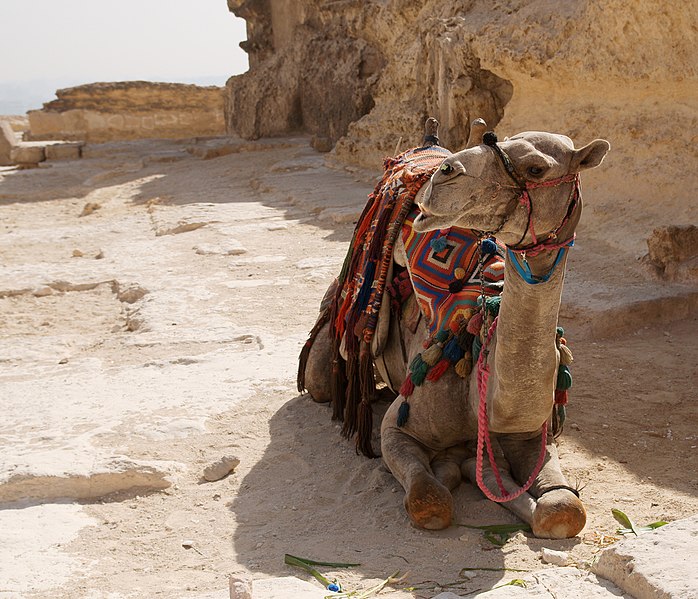
Image Source :
Wikimedia.org
Author
kallerna
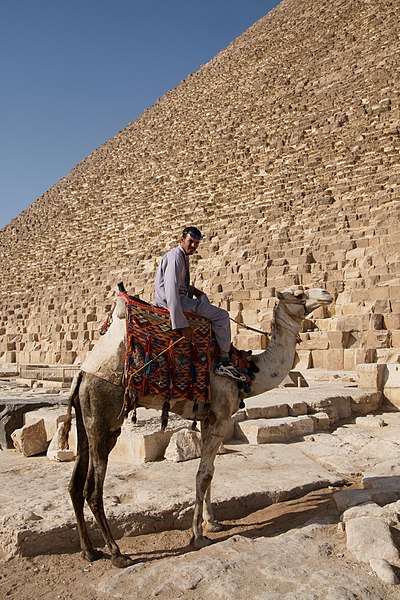
Image Source :
Wikimedia.org
Author
kallerna
...
Lisa Schnirring | Staff Writer | CIDRAP News
Aug 08, 2013
A WHO spokesman said the findings in camels provide clues, but the issue of how humans are being infected is still unresolved.
Researchers
who conducted blood tests on animals from different regions found
evidence that camels have been exposed to the Middle East respiratory
syndrome coronavirus (MERS-CoV) or a very close relative, the outbreak's
first strong clue about a possible animal reservoir.
Until now,
the only animal clue has been from genetic sequencing studies, which
suggested the virus came from bats. Though there are no reports that any
of the patients had contact with bats, a man from the United Arab
Emirates who was treated for his fatal infection in Germany had been
exposed to a sick racing camel.
The investigators, mostly from the Netherlands and Germany, reported their findings today in
The Lancet Infectious Diseases.
The
first MERS-CoV illness was reported a year ago, and so far 94 cases and
46 deaths have been confirmed by the World Health Organization (WHO),
all of them from or linked to Middle Eastern countries.
Human-to-human
infections have been rare, and health officials suspect that an animal
reservoir could be playing a yet unknown key role in the spread of the
new virus.
The research team obtained 349 blood serum samples from
livestock animals including dromedary camels, cows, sheep, goats, and
other animals closely related to dromedaries. The animals were from
different areas, including Oman, the Netherlands, Spain, and Chile.
They
analyzed the blood samples for antibodies to MERS-CoV, other antibodies
that react to SARS (severe acute respiratory syndrome) coronavirus, and
HCoV-OC43, another strain of coronavirus that can infect humans and is
related to a bovine form of the virus.
No cross-reactivity was
seen between MERS-CoV antibodies and those for SARS or HCoV-OC43, and
the team confirmed those findings with highly specific virus
neutralization tests. Presence of MERS-CoV antibodies probably shows
previous infection with MERS-CoV, or a closely related virus, the group
reported.
No MERS-CoV antibodies were found in the blood of 160
animals from the Netherlands and Spain, but evidence of earlier exposure
to the virus was found in all 50 samples taken from dromedary camels in
Oman. Sampling in Oman involved camels from different parts of the
country, suggesting that MERS-CoV or a close relative is circulating
widely in the region's dromedary camels, the authors reported.
No
antibodies were found in animals from the Netherlands and Chile that are
closely related to dromedaries, such as Bactrian camels, alpacas, and
llamas.
Lower levels of MERS-CoV antibodies were found in 14% (15)
of samples taken from two herds of dromedaries from the Canary Islands,
a Spanish island group located off the coast of mainland Africa that
has not reported any human MERS-CoV cases.
The authors said in a
journal press release that the dromedaries from Oman were positive more
often and had much higher antibody MERS-CoV antibody levels than the
ones from Spain. "The best way to explain this is that there is a
MERS-CoV-like virus circulating in dromedary camels, but that the
behavior of this virus in the Middle East is somehow different to that
in Spain," they noted.
The findings suggest dromedary camels may
be one reservoir for MERS-CoV and that their popularity in the Middle
East, where they are used for racing, meat, and milk, presents a variety
of contacts with humans that could lead to virus transmission, the
investigators said in the press release.
Read More Here


